
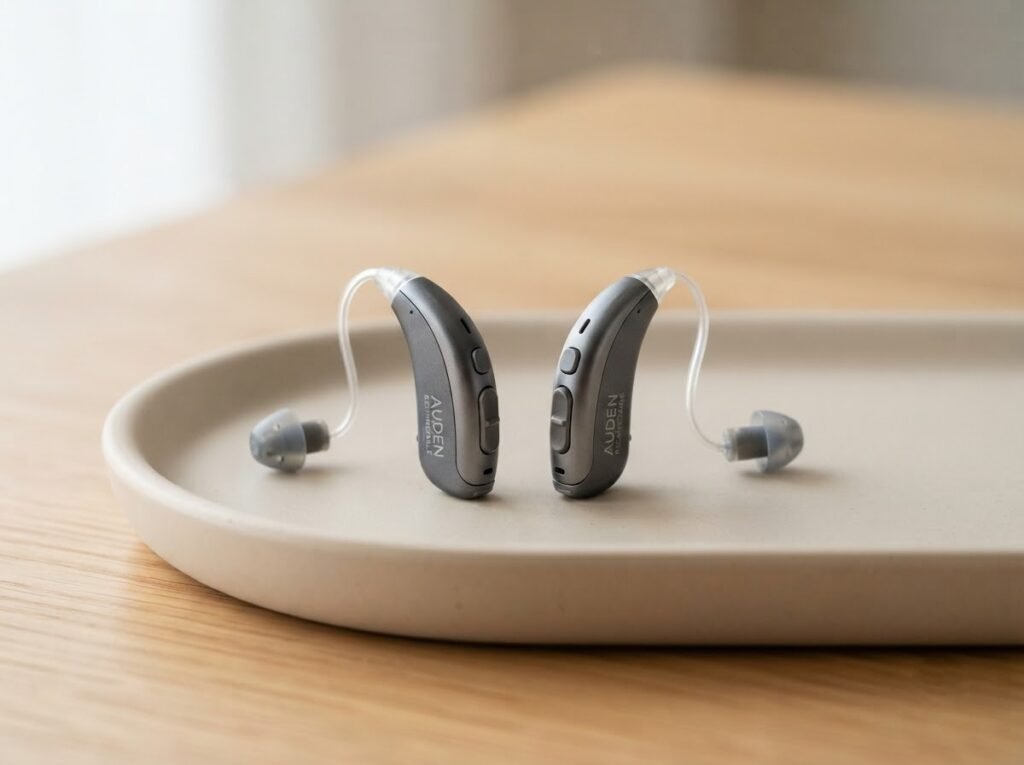
Introduction to Hearing Aids
Hearing aids are sophisticated electronic devices designed to assist individuals with hearing impairments. They work by amplifying sound, allowing users to hear speech and environmental noises more clearly. The fundamental components of a hearing aid include a microphone that captures sound, an amplifier that enhances the sound signals, and a receiver that delivers the amplified sound into the ear. This modern technology plays a crucial role in improving the quality of life for many individuals who experience varying degrees of hearing loss.
The evolution of hearing aids has significantly transformed over the years. Early versions were bulky and often relied on batteries and simple amplifying techniques. Today, advancements in technology have led to the development of more compact, efficient devices equipped with numerous innovative features. These range from digital signal processing to connectivity options that allow users to pair their hearing aids with smartphones and other devices, enabling a more seamless audio experience.
Understanding the importance of hearing aids is vital for those affected by hearing loss. With early intervention and the appropriate assistive devices, individuals can maintain social connections, participate in conversations, and experience life more fully. The growing prevalence of hearing impairment in various age groups highlights the increasing need for accessible and advanced hearing solutions. In this context, it becomes essential to explore the modern features available in today’s hearing aids and the corresponding price points that reflect their technological advancements. This extensive overview will serve as a foundation for deeper discussions on effectively navigating these options.
Advanced Features of Modern Hearing Aids
Modern hearing aids have undergone tremendous advancements, offering a variety of sophisticated features that significantly enhance user experience and improve hearing capabilities. One of the standout features of contemporary hearing aids is Bluetooth connectivity. This technology allows users to connect their hearing aids to smartphones, televisions, and other audio devices, facilitating a seamless listening experience. Users can stream phone calls or music directly to their hearing aids, making conversations and media consumption more enjoyable.
Additionally, smartphone compatibility has become increasingly common. Many hearing aids now have dedicated apps that enable users to adjust settings, control volume, and customize sound profiles based on their listening environment. This level of personalization allows individuals to tailor their hearing aids to suit specific situations, whether it be a quiet conversation or a noisy gathering. The integration of such technology makes it easier to maintain optimal hearing in various contexts.
Another vital feature in modern hearing aids is the use of directional microphones. These microphones are designed to focus on sounds coming from a specific direction, which is particularly beneficial in noisy environments. By reducing background noise and emphasizing the sounds of interest, directional microphones enhance clarity during conversations, making it easier for users to follow discussions.
Noise management systems represent another key advancement. These systems actively monitor sound levels and adjust the hearing aid’s settings to filter out unwanted noise, providing a clearer auditory experience. Moreover, rechargeable batteries have become increasingly popular, offering the convenience of wireless charging and eliminating the need for regular battery replacements, which can be cumbersome for users.
In summary, the advanced features of modern hearing aids, such as Bluetooth connectivity, smartphone compatibility, directional microphones, noise management systems, and rechargeable batteries, collectively enhance the user experience. These innovations not only improve hearing ability but also ensure that users can engage more fully in their daily lives, thereby enriching their overall quality of life.
Understanding Pricing Structures
The pricing of hearing aids is influenced by several factors that potential buyers should consider when navigating their options. One primary determinant is the level of technology incorporated into the hearing aid. Modern devices often come equipped with advanced features such as noise reduction, directional microphones, and Bluetooth connectivity, which can significantly elevate the cost. Basic models, while more budget-friendly, typically provide fewer innovative features and might not address specific hearing needs as effectively as their more sophisticated counterparts.
Brand reputation plays another crucial role in pricing structures. Established brands known for their quality and reliability tend to command higher prices. This premium often reflects years of research and development, customer service, and warranty options. Newer brands may offer competitive pricing to penetrate the market; however, consumers should be cautious and evaluate the quality and support associated with these products.
Customization also impacts the price of hearing aids. Custom-fitted devices that accommodate an individual’s unique ear shape and hearing loss requirements generally cost more than standard models. This customization process involves more detailed assessments and fittings, which contribute to the overall price. On the other hand, over-the-counter hearing aids, which tend to be more affordable, may lack this personalized approach.
When examining the various pricing tiers, it is essential to distinguish between basic, mid-range, and premium models. Basic hearing aids typically fall within a lower price range, offering fundamental amplification without extensive features. Mid-range devices strike a balance between cost and functionality, providing essential features suitable for a wider array of hearing loss types. Premium models, however, include the latest technology and the most extensive feature sets, catering to individuals with more complex hearing needs.
Ultimately, consumers can expect differing levels of performance, support, and warranties at each price point, indicating that it is essential to weigh options carefully when making a purchase decision.
Making an Informed Decision
Choosing the right hearing aid is a pivotal step for those experiencing hearing loss. Given the complexity of options available, it is essential to approach this decision with care and consideration. First and foremost, consulting with an audiologist can provide invaluable insights tailored to your unique hearing needs. Audiologists are trained professionals who can assess your hearing capabilities and recommend solutions that best meet your requirements.
When evaluating hearing aids, individuals should also contemplate their lifestyle. Factors such as the level of daily activity, social interactions, and specific environments in which they will be using the device should be taken into account. For instance, someone who enjoys outdoor activities might benefit from a hearing aid resistant to moisture and dust, while those engaged in daily professional interactions may prioritize models that offer advanced speech clarity features.
Additionally, understanding your budget is crucial in making an informed decision. Hearing aids vary significantly in price, and individuals should explore available financing options. Many manufacturers offer payment plans or financing through audiology clinics. Furthermore, some health insurance plans may cover a portion of the costs associated with purchasing hearing aids. Researching potential support from non-profit organizations or government programs can further supplement financial assistance.
Ultimately, the goal is to select a hearing aid that provides not only the necessary functionality but also comfort and ease of use. Taking the time to weigh personal preferences regarding style, features, and costs can lead to a more satisfactory outcome. By being proactive in consulting professionals, understanding lifestyle needs, and assessing financial options, individuals can empower themselves to make informed choices regarding their hearing health.