
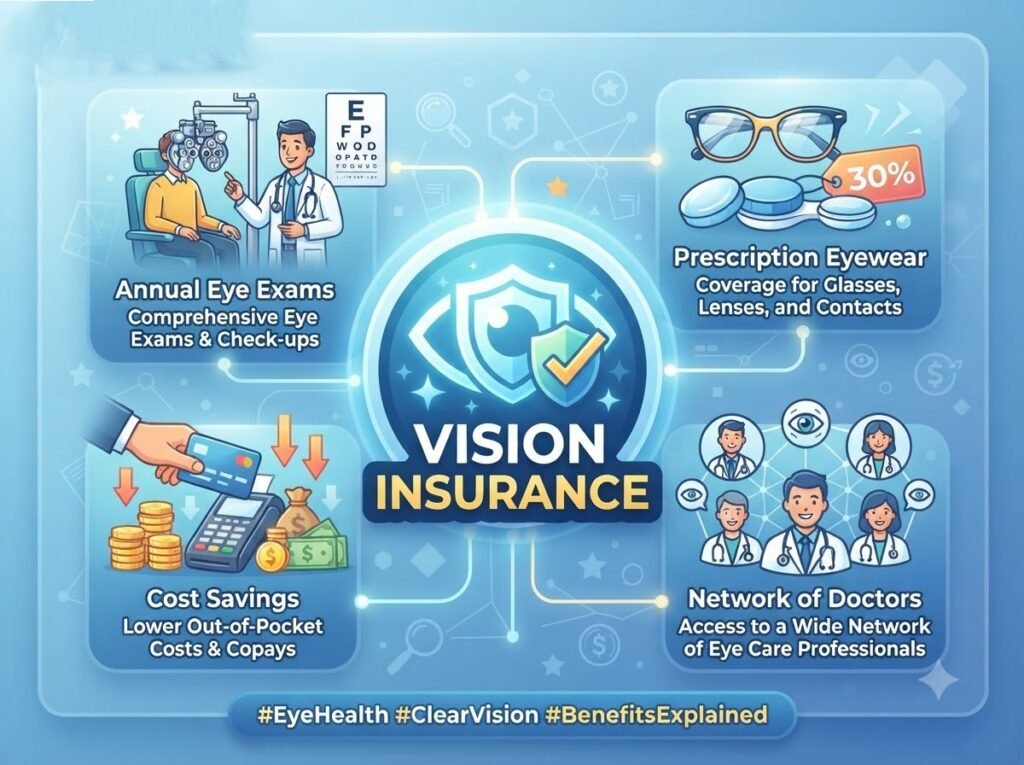
What is Vision Insurance?
Vision insurance is a specialized type of coverage designed to assist individuals in managing their eye care needs. Unlike standard health insurance, which covers a wide range of medical services, vision insurance focuses specifically on services and treatments related to eye health. This includes routine eye examinations, corrective lenses such as glasses and contact lenses, and sometimes additional services like vision therapy or surgery for conditions affecting the eyes.
The primary purpose of vision insurance is to promote preventive care and early detection of eye-related health issues. Regular eye exams can identify potential problems before they escalate into more serious conditions, thus making vision insurance an integral part of comprehensive healthcare. By facilitating easier access to eye care services, it helps maintain optimal vision and overall eye health, which is crucial given the significant impact of visual impairments on quality of life.
An important distinction to note is the difference between vision insurance and health insurance. Health insurance generally covers a broader scope of medical treatments, including hospital stays, outpatient procedures, and emergency care. In contrast, vision insurance is specifically tailored towards eye health. For instance, while a health insurance plan may provide benefits for a medical eye condition such as glaucoma, it would typically not cover routine eye exams or the purchase of ordinary eyewear, which are the primary focus of vision insurance.
Additionally, vision insurance plans often come with a range of benefits, such as copayments or discounts for eye exams and glasses. These plans can vary significantly in terms of coverage limits and service providers, making it essential for individuals to assess their specific needs in relation to their overall healthcare coverage. Understanding how vision insurance complements other health resources can empower individuals to make informed decisions about their eye care thus enhancing their overall health strategy.
Common Services Covered by Vision Insurance
Vision insurance plans typically cover a range of services that contribute to maintaining and enhancing eye health. One of the primary services included in these plans is routine eye examinations. Regular eye exams help in the early detection of potential vision problems and overall eye health assessments. Most plans cover an annual comprehensive eye exam, which is crucial for identifying issues such as glaucoma or macular degeneration.
In addition to eye exams, most vision insurance policies offer coverage for corrective lenses. This includes both eyeglasses and contact lenses. Coverage for eyeglasses generally includes a set allowance for frames and lenses. Some plans may cover the cost of high-index lenses or lens tinting. Similarly, contact lenses may be fully or partially covered, depending on the specifics of the insurance plan. Patients are often provided with a choice between glasses and contacts, although some plans may limit coverage to one option per year.
Furthermore, vision insurance often extends to treatments and services beyond standard corrective lenses. For instance, vision therapy, which consists of exercises designed to improve visual skills and processing, may be covered under certain plans. Additionally, laser eye surgery, such as LASIK, can sometimes be included as part of the coverage, although this varies widely between plans and may require specific conditions to be met.
It is important for individuals to carefully review their vision insurance plans to understand the specifics of coverage, as services may vary significantly. While some plans offer extensive coverage for various treatments, others may have more limited options. Therefore, being well-informed about the details of one’s vision insurance policy is essential for maximizing benefits and ensuring comprehensive eye care.
Limitations and Exclusions in Vision Insurance Plans
Vision insurance plans are designed to provide coverage for various eye care services, including routine eye exams, glasses, and contact lenses. However, like any insurance policy, these plans come with limitations and exclusions that policyholders should be aware of. Understanding these factors is crucial to navigating the benefits of vision insurance effectively.
One common limitation in vision insurance plans is the waiting period. Many policies establish a length of time that one must wait before certain benefits are available. For example, a new policyholder might have to wait six months before receiving coverage for lenses or frames. This waiting period can be a significant drawback, especially for individuals who require immediate vision correction.
Additionally, coverage caps often apply to specific services within vision insurance plans. These caps dictate the maximum amount the insurer will pay for particular treatments. For instance, a policy might specify that it will only cover a certain dollar amount for eyeglasses or contact lenses every year. These restrictions may lead to higher out-of-pocket costs for those requiring more frequent updates to their eyewear.
Moreover, certain conditions are frequently excluded from coverage. Policies often do not cover vision services related to specific medical conditions or pre-existing problems. For instance, if an individual has a chronic eye condition, they may find that their vision insurance does not cover necessary treatments or specialist visits. This exclusion can limit access to essential eye care services, putting a strain on individuals needing ongoing treatment.
In conclusion, being aware of the limitations and exclusions in vision insurance plans empowers individuals to make informed decisions regarding their eye care needs. Understanding waiting periods, coverage caps, and policy exclusions ensures that individuals can effectively utilize their vision insurance benefits and plan financially for the healthcare they require.
Choosing the Right Vision Insurance Plan
Selecting the best vision insurance plan can be a daunting task, given the variety of options available in the market. When evaluating different plans, several key factors come into play that can significantly impact your decision. Understanding these factors can ensure that you find a plan tailored to your individual needs.
One of the first elements to consider is the provider network associated with the vision insurance plan. Insurers may offer a network of preferred eye care professionals, which can influence your choices for receiving care. Verify that the eye care providers or optical shops you wish to visit are included in the plan’s network to avoid higher out-of-pocket expenses.
Cost is another essential consideration when selecting a vision insurance plan. Analyze the premiums, deductibles, and co-pays associated with each plan. Some may offer lower monthly premiums but come with higher co-pays for services. It is crucial to estimate the overall costs, including how often you typically need eye exams and vision correction, such as glasses or contact lenses.
Furthermore, examine the coverage specifics of each plan. Different policies may have varying levels of coverage for services such as routine eye exams, lens options, and discounts on eyewear. Ensure that the plan you choose provides comprehensive coverage that aligns with your anticipated needs for vision care.
Comparing the services offered across different plans can provide clarity. Utilize available online tools and resources to create a comparison chart that highlights the differences in coverage, provider networks, and costs. By doing so, you can make an informed choice that meets your vision care requirements. Ultimately, the right vision insurance plan will provide you with the necessary support to maintain healthy eyesight while fitting within your budgetary constraints.