
Collaboration Tools
In contemporary project management, the integration of collaboration tools within software is pivotal for enhancing teamwork and productivity. Features such as real-time chat provide team members with immediate communication capabilities, breaking down barriers associated with traditional email correspondence. This enhances the ability to discuss project developments swiftly, ensuring all members are updated and aligned in their objectives.
Additionally, file sharing functionalities allow for seamless transfer of documents needed for project activities. By enabling teams to access, upload, and manage files within a centralized platform, the chances of encountering version control issues or misplaced documents are significantly reduced. This not only saves time but also ensures that everyone is working with the most current information.
Document collaboration stands as another essential aspect of effective project management software. With tools designed for simultaneous editing and commenting, team members can contribute to shared documents in real time. This fosters a culture of collaboration, where input from various stakeholders leads to richer project outcomes. The immediate visibility of changes and the ability to track modifications further enhance transparency within the team, helping to prevent misunderstandings that might otherwise arise from insufficient communication.
Together, these collaboration tools are foundational in establishing a collaborative environment where team dynamics flourish. Effective use of such functionalities encourages open dialogue, allowing teams to address potential challenges promptly. As project management continues to evolve, organizations that prioritize these features in their software solution will likely see not only improved team cohesion but also enhanced project success rates.
Task Management Capabilities
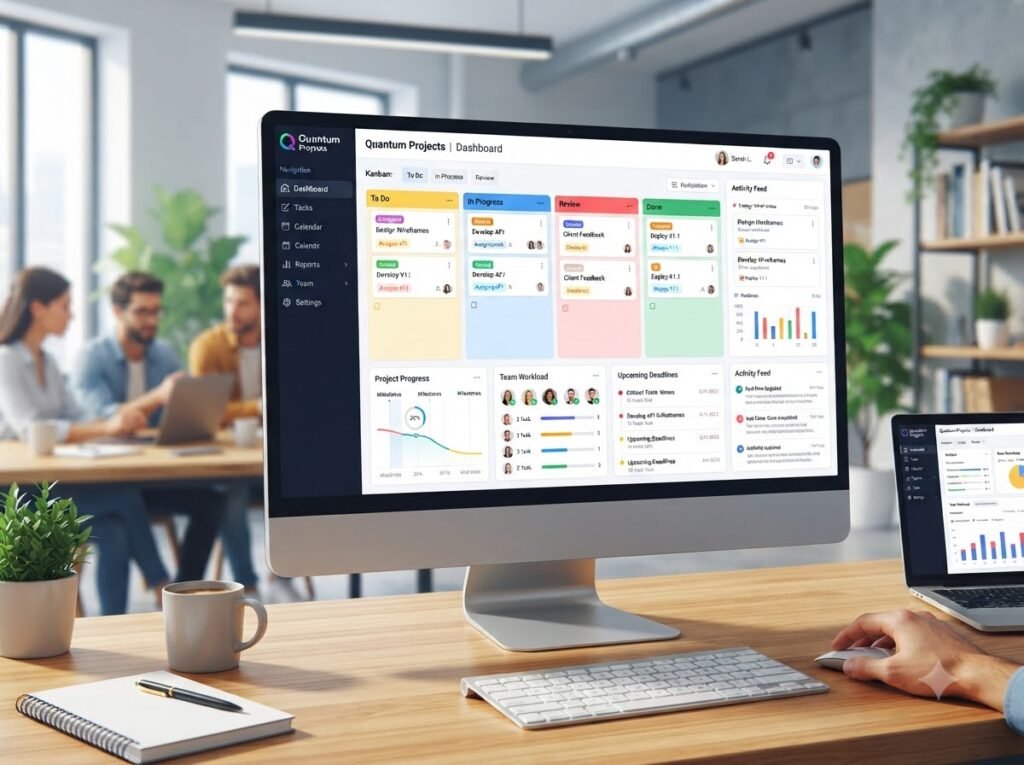
Modern project management software is critical for enhancing team collaboration and efficiency. A central pillar of this software is its task management capabilities, which are essential for delivering projects on time and within scope. Key features including task assignment, due dates, priority settings, and progress tracking enable teams to stay organized and aligned with their goals.
Task assignment functionalities allow project leaders to delegate responsibilities clearly, ensuring that each team member knows their specific role in the project. This clarity helps minimize confusion and enhances accountability, as team members can easily see what is expected of them. Coupled with this is the ability to set due dates, which establishes clear timelines for task completion. By assigning deadlines, teams create a structured framework for tackling project phases, allowing for better time management and effective prioritization.
Furthermore, the priority settings feature is crucial in helping teams identify which tasks require immediate attention and which can be completed later. This capability ensures that resources are allocated effectively, leading to streamlined workflows and higher productivity levels. By allowing teams to focus on high-priority tasks first, project management software fosters an environment where important deadlines are consistently met.
Progress tracking functionality is another core feature that provides invaluable insights into the state of a project at any given moment. With real-time updates, team members can monitor their individual contributions and overall project progression. This transparency is vital for maintaining team motivation and engagement, as it allows all members to see how their work contributes to the larger project objectives.
In conclusion, the comprehensive task management capabilities offered by modern project management software enhance organizational effectiveness and focus for contemporary teams. By leveraging these features, teams can navigate complexities efficiently, ensuring that project goals are met in an orderly and timely manner.
Reporting and Analytics Tools
In the fast-paced world of project management, the incorporation of reporting and analytics tools within project management software is crucial for contemporary teams. These tools offer a multitude of features that aid in performance tracking, resource allocation analysis, and project forecasting, thereby empowering teams to make informed, data-driven decisions.
Performance tracking is one of the core functionalities of reporting tools. They allow project managers to monitor key performance indicators (KPIs) throughout the project lifecycle. By visualizing data through graphs and charts, teams can quickly assess the health of their projects, identifying potential issues before they escalate. This capability not only supports timely interventions but also enhances overall project transparency, ensuring that all stakeholders remain informed about progress and setbacks.
Furthermore, these analytics tools facilitate resource allocation analysis by providing insights into how resources—be it manpower, budget, or tools—are utilized. Understanding where resources are being over- or under-utilized enables managers to optimize resource distribution, ensuring that each team member’s strengths are fully leveraged while minimizing waste. In this way, project management software becomes an invaluable asset in improving operational efficiency.
Project forecasting is another significant aspect powered by reporting and analytics. With comprehensive data analysis capabilities, teams can predict future project outcomes based on past performances and trends. This proactive approach enables teams to adjust plans dynamically, aligning strategies with expected challenges and opportunities. Such forecasting not only enhances reliability in meeting deadlines but also boosts the likelihood of achieving project objectives.
Ultimately, the integration of robust reporting and analytics tools into project management software is vital. These tools are essential in enabling teams to track performance effectively, analyze their resource usage, and forecast project outcomes accurately. By facilitating a data-driven environment, teams can continuously improve their project management practices, leading to superior results and enhanced collaboration.
Integration with Other Tools
In today’s fast-paced work environment, project management software plays a pivotal role in facilitating efficient collaboration among team members. One of the essential features that emerges as critical is the ability of the software to integrate seamlessly with other tools and applications. Integration capabilities are paramount for ensuring that various systems, such as Customer Relationship Management (CRM) software, email platforms, and calendar applications, function cohesively within the project management framework.
The integration of project management software with CRM tools enables teams to keep track of customer interactions and sales processes directly from their project management interface. This connectivity allows project managers and team members to access vital customer data, ensuring that they remain informed about client needs and deadlines. Furthermore, the data consistency that comes from such integrations reduces the risk of errors and miscommunication, which can be detrimental in the pursuit of meeting project objectives.
Email and calendar integration is equally important as it allows for real-time communication and scheduling without the need to toggle between multiple applications. Project team members can receive updates, notifications, and reminders directly in their email inboxes or calendars, enhancing their ability to stay on track with project timelines and deliverables. When project updates automatically sync with standard email applications, it increases visibility among stakeholders and fosters a culture of transparency.
Moreover, integrating other productivity tools can promote a cohesive workflow. Tools that manage file sharing, chat platforms, and collaborative workspaces can all be linked with project management systems to create a centralized hub for all team activities. This not only streamlines operations but also contributes to a unified approach that simplifies the overall management process, thereby improving team productivity.
In conclusion, the seamless integration capabilities of project management software are indispensable. They enhance workflow efficiency, facilitate better communication, and ensure that teams maintain a synchronized operational approach, ultimately leading to more successful project outcomes.