Understanding Roof Replacement Costs
The costs associated with roof replacement services can vary significantly based on a multitude of factors. One of the primary determinants of cost is the size and complexity of the roof. Larger roofs naturally require more materials and labor, which can increase the overall price. Additionally, roofs with intricate designs, multiple slopes, or features such as chimneys and skylights tend to complicate the replacement process, often leading to higher costs.
Labor costs can also influence the pricing of roof replacement. The expertise required for the job, regional labor rates, and the time required to complete the project are all part of the equation. Hiring a professional roofing contractor, although pricier than DIY options, typically ensures the work is performed to code and adheres to safety standards, which can be a worthwhile investment.
Another significant aspect is the choice of materials. Roofing materials are available in various types, with differing prices and longevity. Asphalt shingles tend to be the most economical option, whereas materials like metal, tile, or slate offer durability and aesthetic appeal at a higher price point. Homeowners must consider not only the upfront costs of material but also the long-term value and maintenance associated with each type.
Moreover, potential hidden costs can arise during the roof replacement process. For instance, homeowners should budget for the removal of the old roofing material, which can add to labor and disposal fees. In some instances, underlying structures may need repair before a new roof can be installed. Adequate financial planning for these unforeseen expenses is crucial to avoid setbacks in the replacement process.
In summary, understanding the various elements that influence roof replacement costs helps homeowners make informed decisions. By evaluating the size and complexity of the project, considering labor and material expenses, and preparing for hidden costs, homeowners can better navigate their roof replacement journey.
Choosing the Right Materials for Your Roof
When it comes to roof replacement, selecting the appropriate materials is essential for ensuring longevity, aesthetic appeal, and energy efficiency of the home. Several options exist in the market, each possessing its unique properties that suit various preferences and regional climates.
One of the most commonly used roofing materials is asphalt shingles. They offer a balance between affordability and durability. Asphalt shingles are relatively easy to install, making them a popular choice among homeowners. Additionally, they come in a range of colors and styles, allowing for customization to match the home’s architecture.
For those seeking increased durability and longevity, metal roofs are a highly favorable option. Available in materials such as aluminum and steel, metal roofs can withstand harsh weather conditions, including high winds and heavy snowfall. Their reflective properties also enhance energy efficiency, making them an environmentally friendly choice. However, the initial investment is typically higher than that of asphalt shingles, potentially affecting budget considerations.
Another attractive alternative is tile roofing, which is well-known for its distinctive appearance and durability. Clay or concrete tiles can last for decades and enhance thermal efficiency, which is particularly beneficial in warmer climates. Although the initial cost can be steep, the longevity and reduced maintenance needs can offset this expense over time.
Slate roofs offer an elegant and timeless aesthetic. Known for their longevity, they can last over a century when properly maintained. However, slate roofing comes with a hefty price tag and requires specific structural support due to its weight. They are ideal for homeowners looking for premium materials and can significantly increase a property’s value.
Ultimately, the best roofing material for any home will depend on individual circumstances, including climate, budget, and style preference. By assessing these various options, homeowners can make informed decisions that align with their needs and enhance the overall functionality and appearance of their homes.
Estimated Timelines for Roof Replacement
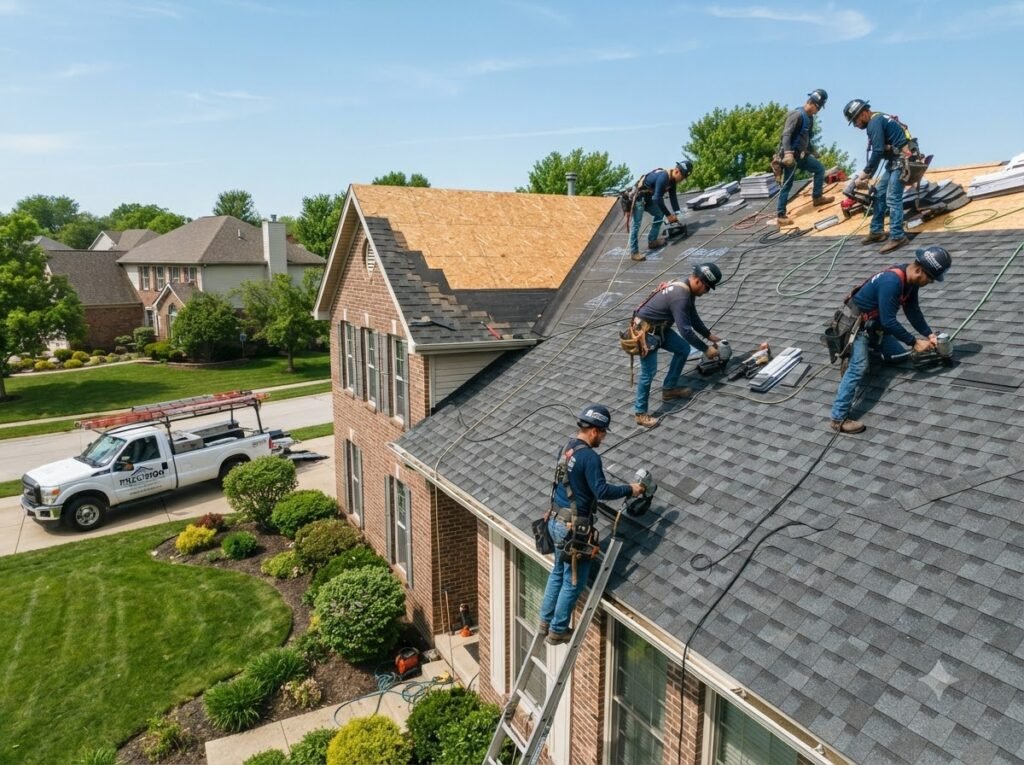
When planning a roof replacement, understanding the estimated timelines is essential for homeowners. Typically, the duration of a roof replacement project can vary greatly depending on several factors, including the type of roofing material used, the complexity of the roof structure, and prevailing weather conditions. On average, a standard roof replacement can take anywhere from one to three days, but more extensive projects may extend to a week or longer.
The choice of roofing material plays a significant role in determining the timeline. For instance, asphalt shingles can generally be installed quickly, often within a day or two, due to their lightweight nature and ease of installation. In contrast, more durable materials such as slate or tile roofing require greater expertise and time, potentially extending the project timeline by several days. Furthermore, systems like metal roofing often have unique installation requirements that could affect the overall process.
Weather is another critical factor influencing the timeline for roof replacement. Inclement weather conditions such as rain, high winds, or extreme temperatures can lead to work delays, as contractors prioritize safety. It is advisable for homeowners to maintain flexibility in their schedules to accommodate unforeseen weather-related interruptions. Homeowners should also be aware that an unexpected discovery, such as damage to the roof deck or framing, may require additional time for repairs and lead to extended timelines.
Additionally, the availability of roofing contractors can impact the project’s schedule. During peak seasons, contractors may face high demand, which can lead to longer wait times for project commencement. Consequently, homeowners should plan ahead and contact contractors early to secure suitable timelines.
Preparing for a roof replacement involves several steps, including clearing the work area and protecting landscaping. Homeowners should communicate effectively with their contractor to ensure they understand what to expect during the process, including any potential for delays and the estimated project timeline.
Selecting the Right Roofing Contractor
Choosing a reliable roofing contractor for your replacement project is a critical decision that can significantly impact the outcome of the work. To ensure you select a qualified professional, there are several criteria to consider. Firstly, evaluate the contractor’s experience in the roofing industry. A contractor with a good track record and several years of experience is more likely to deliver high-quality workmanship and address any issues that may arise during the project effectively.
Licensing and insurance are crucial factors in your selection process. Ensure that the contractor holds the necessary licenses required by local or state regulations. This not only reflects their compliance with standards but also indicates their professionalism. Additionally, verify that they carry adequate insurance coverage. This is essential, as it protects you from liability in the event of accidents or damages while the work is being performed.
Customer reviews and testimonials can provide valuable insight into a contractor’s reliability and the quality of their services. Look for feedback on their website or third-party review platforms. A contractor with consistently positive reviews is likely to deliver satisfactory results, while a contractor with numerous complaints may pose a risk to your project. Don’t hesitate to ask for references from past clients; reaching out can give you a clearer picture of what to expect.
It is advisable to obtain multiple quotes from different contractors before making your final decision. This allows you to compare pricing, services offered, and project timelines. When reviewing these quotes, be sure to understand the specific details included and ask questions if anything is unclear. Moreover, clarify the warranty options provided by each contractor. A solid warranty can add extra peace of mind and protect your investment, ensuring that you are covered for any potential issues that arise after the work is completed.