Understanding the Costs of Solar Panel Installation
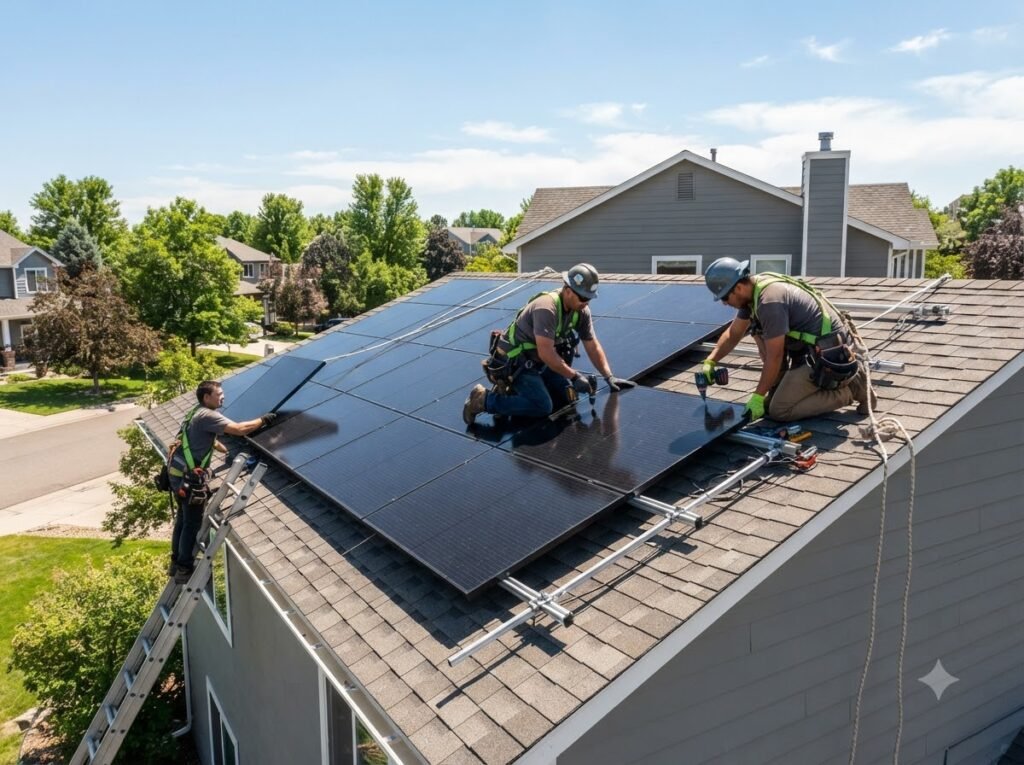
When considering solar panel installation, it is essential for homeowners and businesses to understand the various costs involved. These costs can significantly impact the overall investment, and they can vary based on several factors. Primarily, the main components of installation costs include solar equipment, labor, and additional fees such as permits and inspections.
The type of solar panels chosen plays a critical role in determining equipment costs. Different panel types, such as monocrystalline, polycrystalline, or thin-film, offer distinct price points and efficiency levels. Monocrystalline panels tend to be more expensive but offer higher efficiency, which can lead to better long-term savings. Conversely, polycrystalline panels are generally more affordable but might require larger installations to achieve the same output.
Labor costs also contribute to the total investment in solar panel installation. These costs can vary significantly based on the complexity of the installation, the experience of the installers, and the local market rates. Larger and more complicated installations often necessitate more labor, thereby increasing costs. Additionally, the installation location can affect accessibility for workers and may result in varied labor expenses.
Moreover, several additional fees may arise during the installation process. Obtaining the necessary permits and undergoing inspections is often required, which can add to the overall costs. Local regulations vary, so it is prudent for homeowners to factor in these potential expenses when planning their solar investment.
Lastly, it is vital to consider available incentives that can potentially offset installation costs. Federal, state, and local incentives can significantly reduce the initial expenditure and improve the economics of solar panel installation. Understanding these factors and how they interact can provide a clearer picture of expected investment, ultimately ensuring that homeowners and businesses can make informed decisions regarding solar energy adoption.
Exploring Financing Options for Solar Panels
The financing options for solar panel installation are numerous and vary widely in terms of structure, cost, and benefits. Understanding these options is essential for homeowners or businesses looking to adopt solar energy as a sustainable solution.
One of the most straightforward methods is the **upfront payment** approach. This option involves paying for the solar system in full at the time of purchase. By doing so, the buyer avoids interest payments and can immediately start enjoying the benefits of reduced energy bills. However, the initial investment can be substantial, which might be a barrier for many.
Another popular alternative is obtaining a **loan**. Many financial institutions offer specific loans for solar panels, which often come with competitive interest rates. This method allows individuals to install the system without an enormous upfront cost, paying off the loan over time. It is crucial to consider the terms of the loan and the potential savings on energy bills to determine overall financial benefits.
Furthermore, **leases** provide another financing option. With a lease, the homeowner can install solar panels without any upfront costs, making monthly payments instead. This allows for easier budget management. However, it’s worth noting that while saving on electricity bills, the homeowner does not retain ownership of the system, which can impact long-term savings.
Additionally, **Power Purchase Agreements (PPAs)** are becoming increasingly popular. Under a PPA, a third-party owner installs the solar panels and the homeowner agrees to purchase the generated electricity at a predetermined rate. This agreement allows homeowners to benefit from solar energy without the burden of ownership. However, consumers should carefully evaluate the contract terms and conditions to ensure it aligns with their financial objectives.
In conclusion, each financing option has its advantages and disadvantages. By evaluating the upfront payment, loans, leases, and PPAs, consumers can identify the best financing method that aligns with their budget and financial goals while transitioning to solar energy.
Calculating Potential Savings with Solar Energy
The transition to solar energy presents numerous financial advantages for homeowners, particularly in relation to savings on electricity bills. Once solar panels are installed, they convert sunlight into usable electricity, significantly reducing reliance on grid energy. This reduction can lead to substantial monthly savings, as homeowners typically see their utility bills decrease by as much as 50% or more, depending on their energy usage and the size of their solar system.
Furthermore, many regions offer tax credits and incentives which can lower the upfront costs of a solar installation. The federal Investment Tax Credit (ITC) allows homeowners to deduct a percentage of the installation costs from their federal taxes, which can represent a significant savings. Additionally, various states and local governments provide rebates, grants, or property tax exemptions for solar energy systems. These financial incentives can dramatically enhance the overall affordability of solar power and accelerate return on investment.
To illustrate the impact of solar energy savings, consider the case of a homeowner named Jane, who installed solar panels on her home three years ago. Before the installation, her monthly electricity bill averaged $150. After transitioning to solar energy, her monthly bill dropped to approximately $60, resulting in an annual savings of $1,080. Alongside her state’s rebate program, Jane qualified for the federal tax credit, which reduced her installation costs by several thousand dollars. This combination of savings on electricity bills, tax credits, and rebates demonstrates how investing in solar panels can lead to significant long-term financial benefits.
In conclusion, calculating the potential savings with solar energy involves evaluating reductions in utility bills, understanding the tax incentives available, and considering specific case studies. By analyzing these elements, homeowners can make informed decisions regarding their investments in solar energy, recognizing the substantial impact on their financial future.
Additional Considerations for Solar Panel Installation
When considering solar panel installation, it is important for homeowners to take several factors into account that extend beyond costs and financing. One crucial aspect is the maintenance requirements associated with solar energy systems. Solar panels typically require minimal maintenance, as they have no moving parts. Routine cleaning and regular inspections are sufficient to ensure their efficiency and longevity. Homeowners should be aware of local climate conditions, which may necessitate more frequent cleaning or professional evaluations to maintain optimal performance.
Additionally, understanding local regulations is vital for a successful solar installation. Each region may have unique policies regarding permits, inspections, and installation standards. Familiarity with these regulations can help avoid potential delays and additional costs during the installation process. Homeowners should consult with local authorities and research zoning laws or building codes pertinent to solar energy systems.
The impact of solar panel installation on property value is another important consideration. Invested homeowners may experience an increase in property value, as energy-efficient homes typically attract buyers looking for reduced utility costs. However, this increased value can depend on the market and local trends. Evaluating home appraisal metrics in relation to solar investments is advisable.
Technological advancements in solar energy, such as improved panel efficiency and battery storage capabilities, can also influence the decision-making process. As innovations progress, the benefits of solar energy will likely increase, making it a more attractive investment over time. Furthermore, evolving energy policies at both state and federal levels can significantly impact the financial viability of solar energy systems. Homeowners should stay informed about incentives and subsidies available for solar installations, as they can enhance the affordability and long-term savings associated with solar energy. By considering these various factors, homeowners can make informed decisions regarding their solar panel investments.