Types of Water Heaters
When considering water heater replacement, it is essential to understand the various types available in the market. These options cater to different household needs and preferences, predominantly categorized into traditional tank water heaters, tankless (on-demand) models, heat pump water heaters, and solar water heaters.
Traditional tank water heaters are the most common type, consisting of a large tank that stores hot water for use. They are available in various sizes, typically ranging from 20 to 80 gallons, and can either be powered by gas or electricity. These heaters operate by continuously heating the water in the tank, which leads to a constant supply of hot water. However, they can be less energy-efficient due to standby heat loss, where the water is heated even when not in use. A significant advantage of traditional models is their lower initial cost and ease of installation, making them a popular choice among homeowners.
On the other hand, tankless water heaters provide hot water only as needed, which means they do not hold any water in a tank. Instead, they heat water on demand using high-powered burners. This type of water heater boasts higher energy efficiency, as it eliminates standby heat loss associated with tank models. Additionally, tankless units tend to have a longer lifespan. However, they may require a higher upfront investment and can struggle to deliver enough hot water for simultaneous usage in larger households.
Heat pump water heaters, or hybrid models, use electricity to move heat from the air or ground to heat water, making them significantly more energy-efficient than traditional heaters. They can reduce water heating costs by up to 50%. However, their performance may decrease in colder climates, and they require more space for installation.
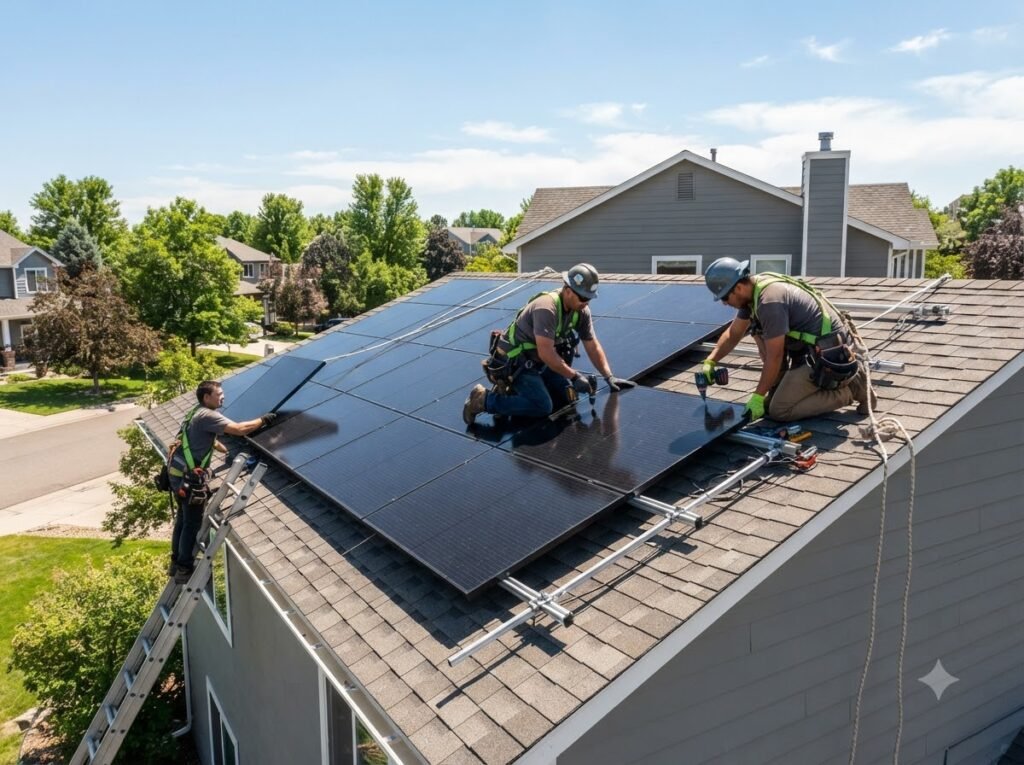
Lastly, solar water heaters utilize solar panels to absorb sunlight and convert it into energy for heating water. They are environmentally friendly and can dramatically lower energy bills but typically involve a higher initial cost and require suitable site conditions for maximum efficiency.
Cost Factors in Water Heater Replacement
Replacing a water heater involves various costs that homeowners must carefully consider to budget effectively for this essential upgrade. One of the primary expenses is the initial purchase price of the new unit, which can vary significantly based on the type and brand. For example, traditional tank water heaters are generally less expensive than tankless or high-efficiency models. Typically, homeowners can expect to spend between $300 to $2,000 for a new water heater, depending on these factors.
In addition to the purchase price, installation costs are another significant aspect. Hiring a licensed plumber to install the unit is crucial for ensuring compliance with local building codes and safety standards. Installation costs can range from $200 to $1,000 based on the complexity of the installation and the specific requirements of the home. Factors such as the location of the old unit, accessibility, and the condition of existing plumbing or electrical systems can influence this cost.
Homeowners should also factor in additional expenses, such as the disposal fee for the old water heater, which typically ranges from $20 to $50. Furthermore, if plumbing or electrical modifications are necessary to accommodate the new unit, these changes can add to the overall replacement cost. It is advisable to consult with a professional to ensure all potential costs are taken into account.
Another financial aspect to contemplate is the energy efficiency rating of the new water heater, as higher efficiency models may have a larger upfront cost but provide significant savings over time through lower energy bills. Evaluating energy efficiency is essential not only for managing initial expenses but also for understanding the long-term affordability of operating the heater. Efficient units can reduce water heating costs by up to 30%, providing a return on investment over their lifespan.
Installation Process Overview
Replacing a water heater involves several critical steps to ensure the process is executed efficiently and safely. The first stage is preparation, which entails gathering necessary tools, understanding safety protocols, and assessing the current system.
Prior to beginning the installation, individuals should collect essential tools including pipe wrenches, screwdrivers, a drill, and safety equipment such as gloves and goggles. It is crucial to turn off the power supply or gas to the water heater, depending on the type being replaced. Furthermore, shutting off the water supply to the heater will prevent any leaks or flooding during the installation.
Next, it is advisable to drain the existing water heater to minimize damage and hassle. This can typically be done by connecting a hose to the drain valve, directing the water to a nearby drain, and allowing it to empty completely. Safety considerations should be a top priority throughout the entire installation process, particularly when working with electrical or gas lines. Individuals should always consult local building codes and regulations to ensure compliance.
The actual installation process varies depending on the type of water heater. For traditional tank systems, it entails carefully disconnecting the old unit from its water and power sources and positioning the new heater in place. While for tankless systems, the installation may require additional modifications to the plumbing and electrical systems. It is important to follow the manufacturer’s guidelines meticulously for optimal performance.
During the installation, it may become evident whether a professional installation is necessary. For those inexperienced with plumbing or electrical work, hiring a licensed contractor is typically recommended. Conversely, competent DIY enthusiasts may feel confident in executing a straightforward replacement. It is crucial to assess one’s skills realistically to avoid mistakes that could lead to future problems.
By adhering to these step-by-step guidelines, the installation process can be managed effectively, ensuring that the new water heater functions optimally and safely.
Maintenance and Troubleshooting Tips
To prolong the lifespan of water heaters and ensure their efficient operation, essential maintenance practices must be established by homeowners. Regular inspection is a crucial step; it allows for the early detection of potential issues that could necessitate costly repairs or a full replacement. Homeowners should check the heater’s pressure relief valve at least once a year. By lifting the lever, you can verify if it’s functioning properly. If water leaks out during testing, the valve is in good condition; if it does not, replacement is recommended.
Cleaning is another significant aspect of water heater maintenance. Sediment buildup can lead to reduced efficiency and complications with heating. It is essential to flush the tank regularly—typically once a year—to remove any accumulated sediment. This process involves turning off the power and water supply, connecting a hose to the drain valve, and allowing the water to flow out. This not only helps improve efficiency but can also extend the heater’s lifespan.
Troubleshooting common water heater issues is vital for maintaining its functionality. Homeowners should be aware of signs such as leaks, inconsistent heating, or unusual noises. For instance, if the water heater is leaking, it could indicate a problem with the tank that might require professional evaluation. Irregular heating may point to a malfunctioning thermostat or heating element, while strange noises like popping or rumbling sounds often suggest sediment buildup and should be investigated promptly.
In addition, homeowners should routinely check the anode rod. This component helps prevent tank corrosion and should be inspected every three to five years; replacing a deteriorated anode rod can significantly enhance the water heater’s longevity. Simple practices like maintaining the correct temperature settings (ideally around 120°F) can also prevent energy waste and ensure safe operation.