
Understanding Roadside Assistance Plans

Roadside assistance plans serve as a vital safety net for vehicle owners, providing critical support when unexpected automotive problems occur. These plans are designed to offer peace of mind by ensuring that help is readily available when a driver encounters difficulties on the road. In essence, roadside assistance provides immediate aid to address a variety of situations that can leave motorists stranded or inconvenienced.
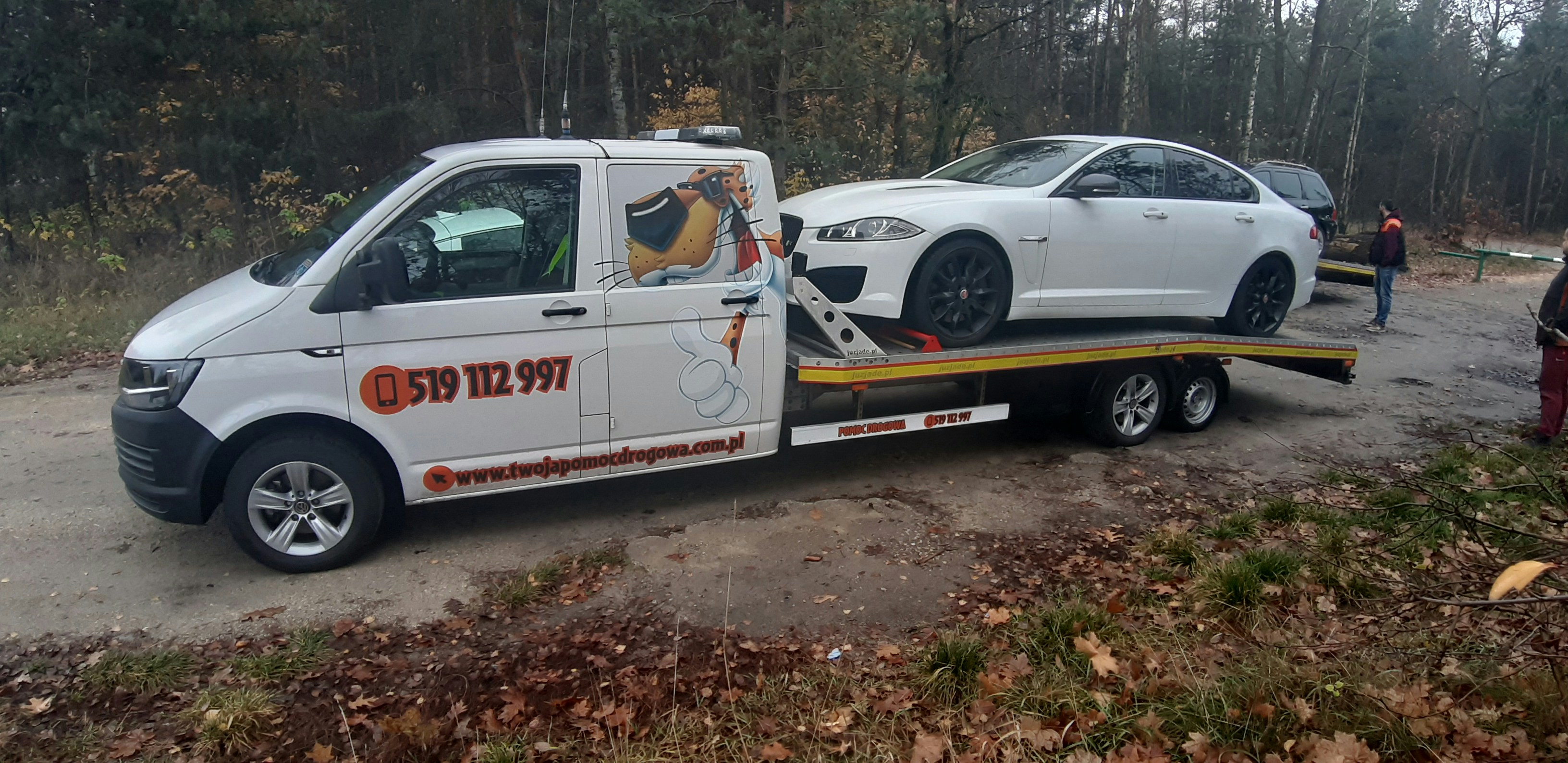
Typically, roadside assistance plans encompass several essential services. Among the most common offerings is towing, which becomes crucial in the event of a vehicle breakdown that renders it immobile. Towing services can transport the disabled vehicle to a nearby repair facility or a destination of the owner’s choosing. This service not only alleviates the stress of managing a breakdown but also ensures that the vehicle is handled appropriately by professionals.
Another important component of these plans is tire changes. Flat tires can occur at inopportune moments, and having a roadside assistance plan can ensure that help is dispatched to either repair or replace the tire swiftly. Additionally, fuel delivery services are often included, allowing drivers to receive a supply of fuel if they run out, thus eliminating the need to walk to the nearest gas station. Furthermore, lockout assistance is a valuable feature, providing service in instances where keys are accidentally left inside the vehicle or lost.
These services can vary by provider, reflecting different levels of coverage and types of assistance included in a plan. They are particularly significant for those who frequently travel long distances or who drive in remote areas where help may not be readily available. By understanding what roadside assistance plans typically offer, vehicle owners can make informed decisions regarding which plan aligns best with their needs.
Key Coverage Features to Consider
When evaluating roadside assistance plans, it is crucial to understand the primary coverage features that will directly impact your experience and satisfaction. One of the first aspects to consider is the service limits, which refer to the maximum distance or time the provider is willing to assist you. Some plans may offer unlimited towing, while others could restrict towing to a specific mileage limit. It is advisable to choose a plan that aligns well with your own driving habits and the average distances you travel.
The geographic area of service is another significant factor to take into account. Different providers may have varying coverage in rural and urban areas. It is essential to ensure that the plan adequately covers the regions where you frequently drive. A plan with nationwide coverage might be beneficial for those who travel long distances or venture into less populated areas.
Additionally, consider the types of vehicles covered under the roadside assistance plan. Some plans may only cater to standard vehicles, while others might extend coverage to motorcycles, RVs, or other special vehicles. If you own multiple vehicles or a specialized vehicle, ensuring that the plan encompasses all of them can provide added peace of mind.
Moreover, look for additional benefits that certain plans may offer. These may include trip interruption coverage, which provides financial assistance if your vehicle cannot be repaired in a timely manner, thus impacting your travel plans. Some providers might also offer discounts on automotive services, such as maintenance or repairs, which can contribute to long-term savings.
By carefully assessing these coverage features—service limits, geographic scope, vehicle types, and additional benefits—you can make a more informed decision when selecting the right roadside assistance plan for your needs.
Comparing Service Providers: What to Look For
When evaluating roadside assistance service providers, it is essential to consider several key factors that contribute to overall customer satisfaction and service effectiveness. First and foremost, response times are critical. A reliable roadside assistance service should be able to dispatch help within a reasonable timeframe, which can vary based on location and time of day. Typically, a target response time of less than 30 minutes is ideal. Delays can significantly undermine the value of the service, especially in emergency situations.
Another important aspect to consider is the quality of customer service. Effective communication and a friendly approach can make a stressful situation much more manageable. Assessing customer service quality may involve reviewing available contact methods, including phone, chat, or mobile application support, and determining accessibility during emergencies.
The reputation of the company plays a vital role in ensuring that customers can rely on their service. Companies with a long-standing history and a solid reputation for reliability often come recommended through word-of-mouth or professional reviews. It is advisable to investigate how a provider has performed over the years, particularly in handling complaints and resolving issues.
Customer reviews are indispensable tools in the evaluation process. Online feedback platforms can provide insights into real user experiences, highlighting both the strengths and weaknesses of various service providers. A thorough review of what past customers have reported can illuminate patterns, such as consistent delays or pleasant surprises.
Additionally, checking whether the service provider has partnerships with vehicle manufacturers or other organizations can enhance the offerings available to customers. Such partnerships may lead to exclusive services, discounts, or even improved response times, thus adding significant value to the service. By weighing these factors comprehensively, individuals can make more informed decisions when choosing the right roadside assistance provider, ensuring a satisfactory outcome when they need help most.
Cost vs Value: Making the Right Choice
Roadside assistance plans can vary significantly in cost, depending on the services included and the provider. When evaluating these plans, it is essential to assess the value they provide relative to their cost. A thorough analysis can help customers make informed decisions about which plan best meets their needs.
To start, consider your driving patterns. If you frequently travel long distances or commute daily, the likelihood of needing assistance increases, making a comprehensive roadside assistance plan potentially more valuable. Conversely, if you primarily drive short distances within the same area, a lower-cost plan might suffice.
When evaluating the financial aspect of these plans, it is crucial to examine not only the monthly or annual cost but also the out-of-pocket expenses related to potential emergencies. For instance, the average cost for a tow can range from $50 to $125, depending on distance and local rates. Thus, if your roadside assistance plan covers towing and you utilize it once a year, the investment could be justified, especially if you have a higher likelihood of requiring such services.
Additionally, assess the specific services each plan offers, such as tire changes, lockout services, or fuel delivery. Depending on your circumstances, certain features may be more beneficial than others, influencing your cost versus value assessment. Comparing the benefits against the price will help identify plans that provide substantial coverage for an economical price.
Ultimately, determining the worth of roadside assistance plans involves personal considerations. By accurately assessing personal driving habits and the likelihood of requiring assistance, consumers can make a wise choice that balances cost and value, ensuring peace of mind while on the road.