
Introduction to Project Management Certifications
In today’s competitive job market, project management certifications play a crucial role in the professional growth of individuals seeking to advance their careers. The dynamic nature of industries necessitates a well-rounded skill set, and certifications provide validation of expertise in project management methodologies, tools, and strategies. They signify to potential employers that an individual is not only knowledgeable but also committed to ongoing personal development and adherence to industry standards.
One of the primary benefits of obtaining a project management certification is the enhancement of career prospects. Professionals who hold certifications often find themselves with improved job opportunities and can differentiate themselves from their non-certified peers. Many organizations favor candidates who possess recognized certifications, as it demonstrates their ability to manage projects effectively and contribute to organizational goals.
Furthermore, certifications contribute to skills recognition, allowing professionals to gain credibility and build trust with clients and stakeholders. They often lead to an increase in responsibility within teams and projects, as individuals become recognized as experts in their field. This recognition not only boosts confidence but also opens up avenues for leadership roles, ultimately enhancing one’s professional value.
In summary, the pursuit of project management certifications is a strategic step for professionals aiming to thrive in their careers. By investing time and resources into earning these credentials, they enhance their skills, improve job market competitiveness, and provide tangible evidence of their commitment to excellence in project management.
Types of Project Management Certifications
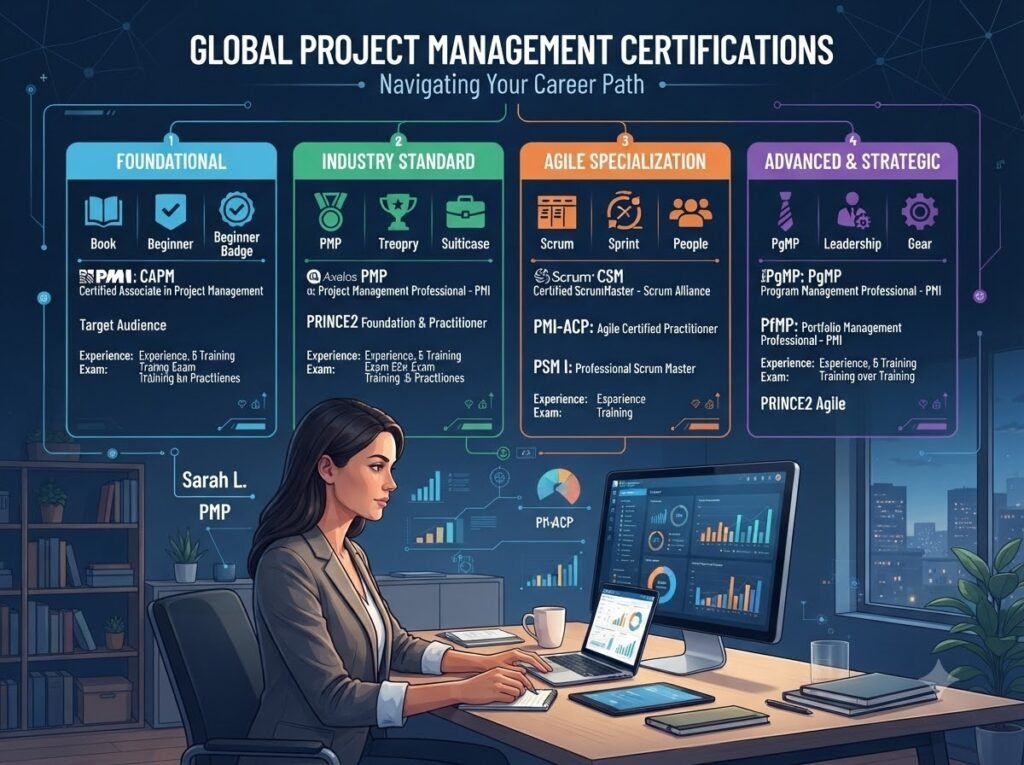
In the diverse landscape of project management, various certifications stand out, each tailored to different needs, methodologies, and industries. Among the most recognized are certifications like the Project Management Professional (PMP) and PRINCE2, which have established themselves as benchmarks for excellence in project management.
The PMP certification, offered by the Project Management Institute (PMI), is globally recognized and demonstrates an individual’s capability to lead and direct projects. It emphasizes a comprehensive understanding of project management principles, methodologies, and practices as outlined in the PMBOK® Guide. This certification is ideal for professionals seeking to enhance their credentials and validate their experience in managing complex projects.
On the other hand, PRINCE2 (Projects in Controlled Environments) is another prominent certification widely adopted in the UK and beyond. Its focus lies in process-based project management, providing a structured approach that is adaptable for various types of projects. PRINCE2 emphasizes the importance of project governance and can be applied across different sectors, making it a versatile certification option.
Beyond these globally recognized certifications, there are niche certifications specifically targeting certain methodologies or industries. For example, Agile certifications, such as Certified ScrumMaster (CSM) and PMI Agile Certified Practitioner (PMI-ACP), cater to professionals looking to enhance their skills within agile project environments. Similarly, certifications like the Lean Six Sigma Green Belt are available for those who wish to specialize in process improvement techniques applicable in manufacturing and service industries.
Other sector-specific certifications include Construction Manager Certification Institute (CMCI) credentials or the Certified Project Manager (CPM) designation, which cater to the construction and general project management sectors, respectively. This variety allows professionals to choose a certification that aligns closely with their career goals, industry demands, or preferred project management methodologies.
Training Options for Certification Preparation
As aspiring project managers pursue professional certifications, selecting an appropriate training option plays a critical role in their success. Various paths cater to different learning styles, schedules, and preferences, ensuring individuals can effectively prepare for their certification exams.
Online courses have become increasingly popular due to their flexibility and accessibility. These courses typically cover essential content at one’s own pace, allowing learners to balance their professional and personal obligations while studying. Many platforms offer comprehensive project management courses aligned with certification requirements, including video lectures, interactive quizzes, and forums for discussion with peers and instructors.
Boot camps represent another effective training option for those seeking an immersive experience. These intensive, short-term programs condense essential project management concepts into a concentrated format, often lasting a few days or weeks. Boot camps typically combine theoretical knowledge with hands-on simulations, providing participants with the skills and confidence needed to excel in certification exams.
Workshops can also be beneficial, often focusing on specific areas within project management, such as agile methodologies or specific tools. These interactive sessions typically involve group activities, discussions, and real-world scenarios, enabling participants to apply what they learn effectively. Workshops can be particularly useful for individuals who benefit from collaborative learning environments.
Self-study resources, including textbooks, guides, and online forums, offer an independent approach for those who prefer learning at their own pace. With a wealth of materials available, aspiring project managers can tailor their study plans to suit their individual needs and schedules. This option is often the most cost-effective, allowing learners to invest in resources that resonate with their learning styles.
Choosing the right training option is essential; understanding personal learning preferences and scheduling constraints will guide aspiring project managers toward the most suitable path for their certification preparation.
Navigating the Exam Process
The exam process for project management certifications can vary significantly depending on the certifying body. Understanding the registration procedure is the first step for candidates aiming to attain these prestigious qualifications. Typically, interested individuals must complete an application form online, providing necessary documentation such as their educational background, project management experience, and sometimes, evidence of prior training.
Once the application is approved, candidates will be prompted to register for the exam. Registration usually involves selecting a date and location for the test. Some certifying organizations offer a variety of locations, including testing centers around the world, while others may provide online proctored options for greater convenience. It’s essential to check for any specific requirements that may apply depending on the chosen exam format.
The format of the exams also differs among various certifications. For instance, some may consist of multiple-choice questions, while others may require essay-style answers or practical applications of project management principles. Candidates should familiarize themselves with the specific format of the exam they intend to take, as this can influence their study approach.
Passing criteria are another critical component of the exam process. Each certification has its unique scoring system and passing score, often indicated as a percentage of correct answers. Candidates should ensure they understand these criteria well in advance, as this knowledge can guide their preparation effectively.
To prepare adequately, candidates should utilize a variety of study resources such as textbooks, online courses, practice exams, and study groups. Many individuals find that combining different study methods enhances their retention and understanding of the material. Developing a study schedule that allows for ample review time, coupled with regular practice tests, can significantly boost one’s confidence as exam day approaches.
Ultimately, thorough preparation, understanding the requirements, and being familiar with the exam format will collectively contribute to successful outcomes on exam day. With the right approach, candidates can navigate the complexities of the exam process with increased confidence and clarity.