Understanding Home Security Monitoring Plans
When selecting a home security system, the type of monitoring plan is a critical factor that can influence overall effectiveness and user experience. Various monitoring plans exist, primarily categorized into three types: professional monitoring, self-monitoring, and hybrid monitoring. Understanding the characteristics and benefits of each option is essential for homeowners.
Professional monitoring involves a dedicated team that supervises the security system 24/7. When an alarm is triggered, the monitoring center alerts the authorities or takes action based on pre-established protocols. This type of plan typically incurs a monthly fee, which varies depending on the service provider and features included. This option is particularly beneficial for those who prefer peace of mind knowing that professionals are monitoring their property.
On the other hand, self-monitoring allows the homeowner to oversee their security system through mobile applications or internet services. In this case, alerts are sent directly to the homeowner’s phone, requiring them to take appropriate action. Self-monitoring is often more cost-effective since it typically does not involve monthly fees, thus appealing to budget-conscious homeowners. However, it relies heavily on the homeowner’s responsiveness and may not provide as swift a reaction in emergencies.
Hybrid monitoring combines elements of both professional and self-monitoring, giving users the flexibility to utilize either method as needed. Homeowners may choose to self-monitor during times when they are home, while relying on professional monitoring when they are away. This can be a suitable choice for families who want to customize their security experience.
In addition to the basic monitoring types, it is crucial to assess contract terms, including cancellation policies, which can vary widely among providers. Some companies may offer equipment leases or sales with long-term contracts, while others may provide a month-to-month agreement. Homeowners should also consider any additional services that may be included, such as home automation integration or video surveillance, which can enhance the overall security system. Understanding these factors will enable individuals to choose a monitoring plan that best aligns with their needs and lifestyle.
Essential Equipment for Home Security Systems
When selecting a home security system, understanding the essential equipment is crucial for effectively protecting your property. The primary components often include cameras, alarms, motion detectors, and smart locks, each serving a distinct purpose in enhancing security.
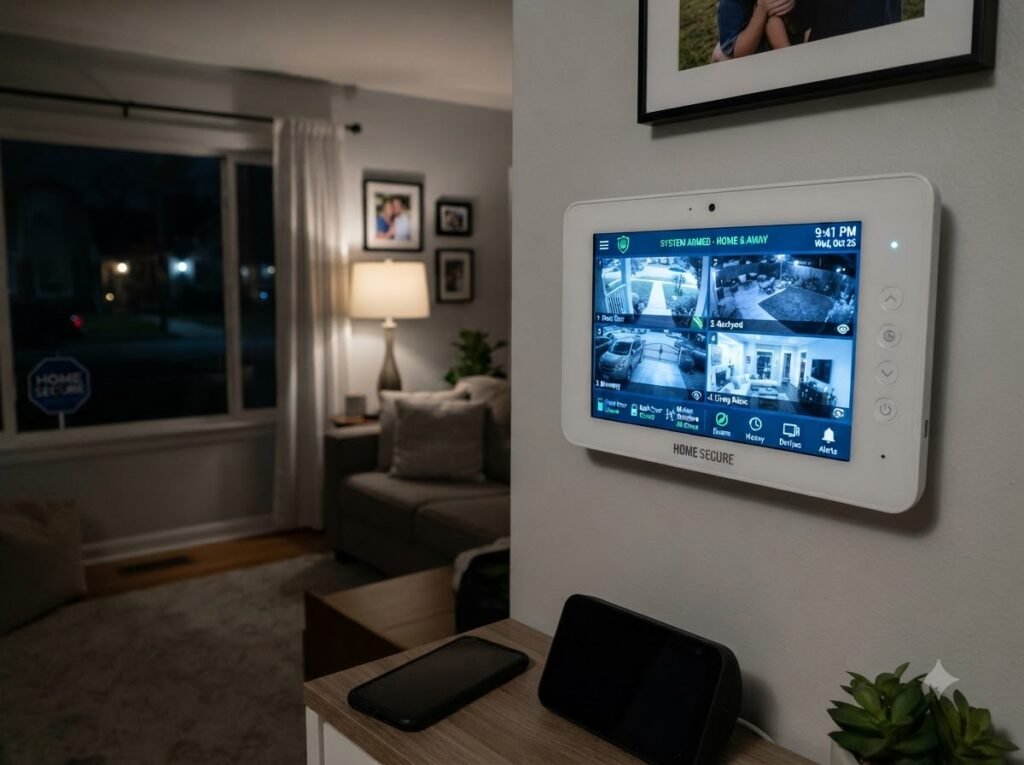
Surveillance cameras are integral to modern home security. They come in a variety of forms, from indoor to outdoor options, featuring capabilities such as high-definition video and night vision. These features allow homeowners to monitor their property in real-time, even in low-light conditions. Some cameras also support smart home integration, enabling users to control them via mobile applications, enhancing the convenience of monitoring.
Alarm systems play a pivotal role in deterring potential intruders. These systems typically consist of door and window sensors that trigger an alarm in case of unauthorized access. Many contemporary alarms also include smart technology, allowing users to receive alerts on their smartphones if an alarm is activated. Additionally, they can be programmed to notify local authorities automatically, ensuring a swift response to any security breach.
Motion detectors are another critical component of home security systems. These devices detect movement within a specified area and can be equipped with both passive infrared and dual technology sensors, increasing their reliability. When integrated with cameras and alarms, motion detectors can provide a comprehensive response to intrusions and suspicious activities.
Smart locks offer advanced security by allowing homeowners to control access to their property digitally. These locks can be managed remotely, permitting users to grant access to trusted individuals without the need for physical keys. Some models even offer activity logs, so homeowners can track who enters or leaves their home.
In conclusion, understanding the key equipment necessary for a home security system can significantly impact a homeowner’s ability to safeguard their property. By considering options like cameras, alarms, motion detectors, and smart locks, individuals can tailor their security systems to meet their specific needs effectively.
Comparing Pricing and Features of Popular Security Systems
When selecting a home security system, understanding the pricing structures and features of various options is crucial for making an informed decision. There are multiple security systems on the market that come with different upfront costs, monthly monitoring fees, and equipment packages, each designed to cater to diverse consumer needs.
Most home security companies offer an initial setup fee, which typically includes the equipment necessary for the system to function effectively. This fee can range significantly, often from $0 to $500 depending on the type of equipment selected. Higher-priced packages generally include more advanced features such as video surveillance, smart home integration, and additional sensors, while low-cost options may only provide basic door and window sensors.
In addition to the upfront costs, ongoing monthly fees for monitoring also vary widely across home security systems. Basic monitoring plans often start at around $15 to $30 per month, while more comprehensive plans, which may include video monitoring and mobile app access, can exceed $60 per month. It’s important to evaluate these costs against the features included in each plan to determine which system provides the best value.
Additional fees can also arise for installation and maintenance. Some companies offer free professional installation, particularly if you choose a more expensive equipment package, while others may charge $100 or more for setup. Maintenance fees may be minimal, but homeowners should factor these into the long-term cost of ownership.
Ultimately, a thorough comparison of the pricing and features of popular security systems helps potential buyers identify options that best fit their financial situation while meeting their security needs. By evaluating the total cost of ownership, consumers can make a savvy investment that enhances their home security effectively.
Making an Informed Decision: Factors to Consider
Choosing an appropriate home security system is a critical step for homeowners aiming to enhance their safety and protect their assets. Several factors must be evaluated to ensure the selected system meets individual needs effectively. One of the first considerations is the layout of the home. Analyzing the architectural style, number of entrances, and layout can help determine necessary equipment and the best locations for sensors and cameras.
Another crucial aspect is the lifestyle of the homeowners. For instance, families with children or pets may require a system that accommodates their specific needs, while individuals who travel frequently might prioritize mobile monitoring capabilities. Understanding daily routines and potential vulnerabilities in security can guide the selection of equipment that offers the most protection.
Potential vulnerabilities should also be assessed. Homeowners should identify areas of their property that are more susceptible to break-ins, such as poorly lit entrances or windows that are easily accessible. This evaluation will help determine the type of sensors, alarms, and cameras needed to cover all crucial points effectively.
Additionally, personal preferences regarding technology and customer service play a significant role in the decision-making process. Some homeowners may prefer a traditional wired system, while others might opt for a more modern wireless setup that allows for remote monitoring through smartphones. Customer service availability and support can also influence the choice; systems that offer round-the-clock assistance and professional monitoring may provide peace of mind.
Finally, creating a checklist to compare the various options can simplify the selection process. Homeowners should list essential features, costs, and service options of each system to evaluate them side by side. This structured approach ensures that all relevant factors are considered, leading to a more informed and satisfactory choice of a home security system.