
Understanding Electric Vehicle Charging Basics
Electric vehicle (EV) charging is a crucial aspect of owning an electric vehicle, affecting its usability and convenience. Understanding the different types of EVs and the infrastructure necessary for their charging is essential for current and prospective owners. There are primarily three levels of electric vehicle charging that play significant roles in everyday use: Level 1, Level 2, and DC fast charging.
Level 1 charging utilizes a standard 120-volt outlet, which can be found in most homes. This method is the most basic form of charging and requires no additional installation, making it accessible for many users. However, one of the downsides is its slower charging speed, typically taking around eight to twelve hours to fully charge an EV, depending on the battery size. While Level 1 charging might suffice for low-mileage drivers, it poses challenges for those with longer daily commutes.
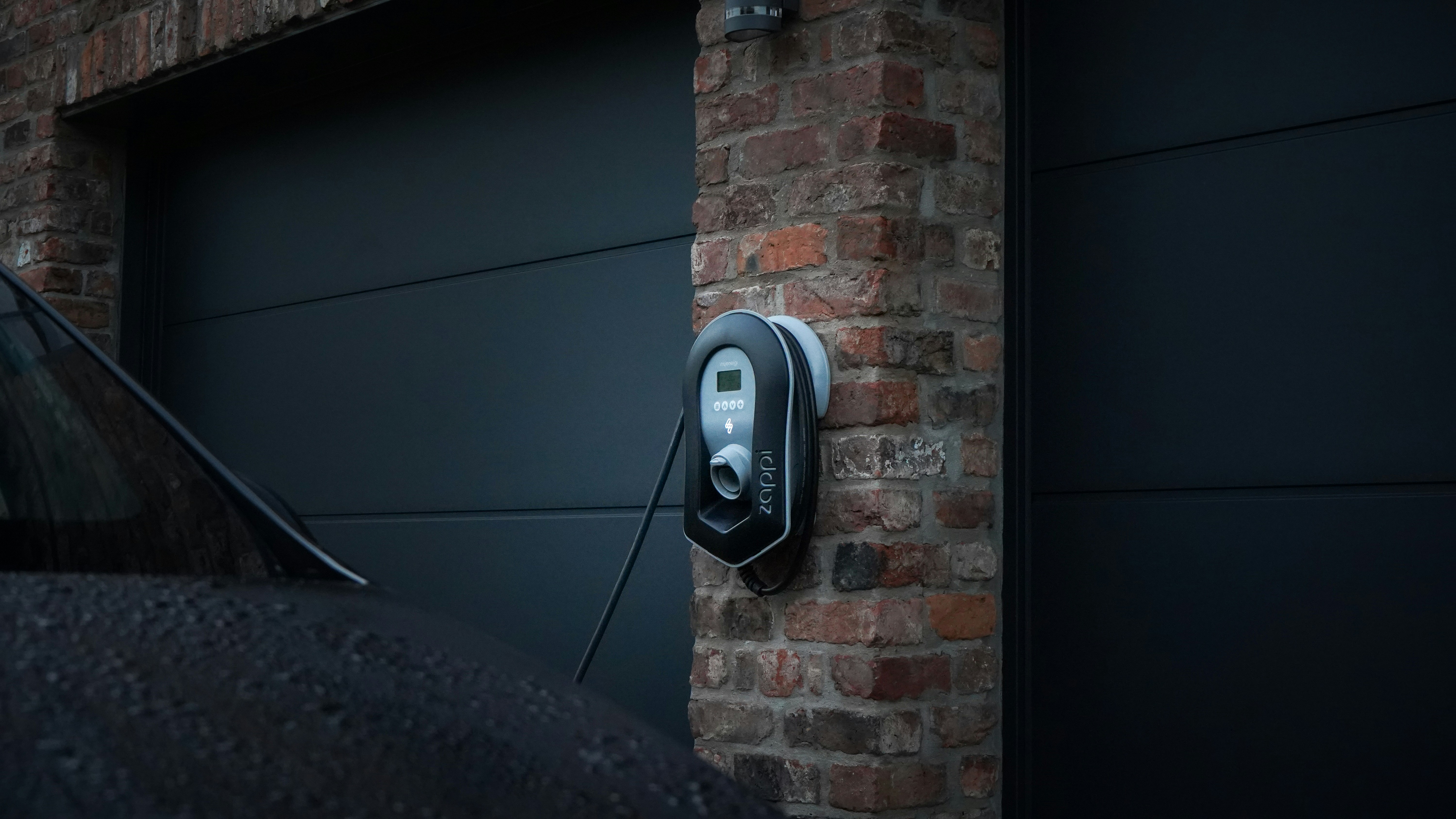
Level 2 charging, on the other hand, employs a 240-volt outlet, which is commonly used for home appliances like washers and dryers. This level of charging is significantly quicker, providing a full charge in approximately four to six hours. Homeowners can install dedicated Level 2 charging stations, which enhance the practicality and efficiency of charging while allowing for longer-range driving without extensive downtime.
Lastly, DC fast charging is generally used in public charging stations and is designed for rapid power delivery. This technology can charge an EV to about 80% within 30 minutes, making it convenient for long-distance travel. However, due to the higher costs associated with DC fast-charging equipment and infrastructure, it is less common in residential settings.
The availability of these charging options and understanding their differences are pivotal in selecting the right electric vehicle and home charging setup to ensure convenience and efficiency in daily use.
Exploring Level 1 Charging Solutions
Level 1 charging for electric vehicles (EVs) utilizes a standard 120-volt household outlet, making it one of the most accessible charging solutions for many users. This method is particularly convenient for individuals who have the luxury of parking their EVs within close proximity to their homes. Its simplicity and minimal setup requirements can make it an attractive option for first-time EV owners.
One of the primary advantages of Level 1 charging is its cost-effectiveness. Traditional electrical outlets do not require any specialized equipment or installation costs beyond possibly upgrading existing wiring to ensure it can handle the load safely. For many users who drive short distances daily, Level 1 charging provides sufficient power to recharge the vehicle overnight, making it an economical choice. Furthermore, since the average household has access to multiple outlets, this method allows for flexible charging locations.
However, there are also limitations to be aware of when considering Level 1 charging solutions. While convenient, charging times can be significantly longer compared to other levels, such as Level 2 charging. Depending on the EV model and the remaining battery capacity, fully replenishing the battery through a Level 1 outlet can take anywhere from 8 to 20 hours. This extended time may not suit all users, particularly for those who frequently undertake long trips or require an immediate recharge.
Additionally, assessing your daily driving habits is crucial when determining if Level 1 charging is adequate for your needs. For owners who primarily use their vehicle for commuting, Level 1 charging can be sufficient, allowing them to charge overnight and start each day with a full battery. However, for those needing to travel long distances regularly or who have heavier driving needs, it may be wise to consider transitioning to Level 2 charging solutions for added efficiency.
In summary, Level 1 charging presents a practical and straightforward option for many EV owners, particularly those with moderate driving patterns. Understanding its advantages and limitations will enable users to make informed decisions regarding their charging needs.
Evaluating Level 2 Home Charging Options
Level 2 charging stations for electric vehicles (EVs) provide a significantly faster charging solution compared to the standard Level 1 options. These chargers require a dedicated 240-volt outlet, which leads to reduced charging times, making them a more efficient choice for daily use. The installation process for a Level 2 charging station begins with assessing your home’s electrical system. It is advisable to consult a licensed electrician to install the necessary 240-volt outlet, ensuring compliance with safety standards and local regulations.
The cost of installing a Level 2 charger can vary widely based on several factors, including the distance from the electrical panel to the installation site, potential upgrades needed for your home’s electrical capacity, and labor costs. On average, homeowners can expect to spend between $500 to $2,000 on installation. While this might seem like a significant investment upfront, the benefits can outweigh the initial costs. With a Level 2 charger, owners can typically achieve a full charge overnight, providing added convenience for daily driving needs.
Among the various brands and models of Level 2 chargers available, well-known players such as ChargePoint, Blink, and Wallbox offer models with different features and smart capabilities, such as smartphone connectivity and scheduling options that enhance user experience. Additionally, it is crucial to consider energy efficiency when selecting a Level 2 charger; many newer models are designed to optimize energy use, potentially lowering electricity costs while contributing to environmental sustainability. Overall, investing in a Level 2 charging station can significantly improve the practicality of owning an electric vehicle, ultimately leading to a seamless charging experience at home.
Making the Right Choice: Factors to Consider
When selecting a charging option for electric vehicles, it is crucial for owners to assess several important criteria that can influence their decision. The first factor involves the daily driving needs of the individual. For instance, those who typically drive short distances might find that Level 1 charging, which utilizes a standard 120-volt outlet, is sufficient for their requirements. This method, however, may not cater effectively to drivers with longer commutes, as the charging process can take significantly longer compared to higher-voltage options.
The second critical consideration is the home electrical infrastructure. Before finalizing a charging solution, EV owners should evaluate their current electrical capacity. Homes that have older electrical systems may need upgrades to accommodate Level 2 chargers, which operate on a 240-volt supply. Assessing the wiring and circuit availability can help determine if any modifications or enhancements are necessary, ensuring safe and efficient charging.
Budget is another significant factor to contemplate. Level 1 charging is generally more cost-effective as it does not require any specialized equipment aside from the vehicle’s standard charging cable. In contrast, installation of a Level 2 charging station involves both the cost of the unit and potentially higher installation fees, particularly if electrical upgrades are needed. EV owners should weigh these costs against the convenience and reduced charging time offered by Level 2 charging.
Lastly, future-proofing is an essential aspect to consider. With the rapid advancements in electric vehicle technology, choosing a charging solution that accommodates future upgrades or purchases is prudent. As EV models evolve and battery capacities increase, investing in a Level 2 charger may provide more flexibility for charging higher-performance vehicles down the line, ensuring that the owner does not need to re-evaluate their charging options prematurely.
By carefully evaluating these factors—daily driving needs, home electrical infrastructure, budget, and future potential—electric vehicle owners can make informed decisions regarding their charging solutions. This tailored approach ensures a more seamless integration of the charging system into their daily routines and overall lifestyle.