Understanding Mortgage Rates
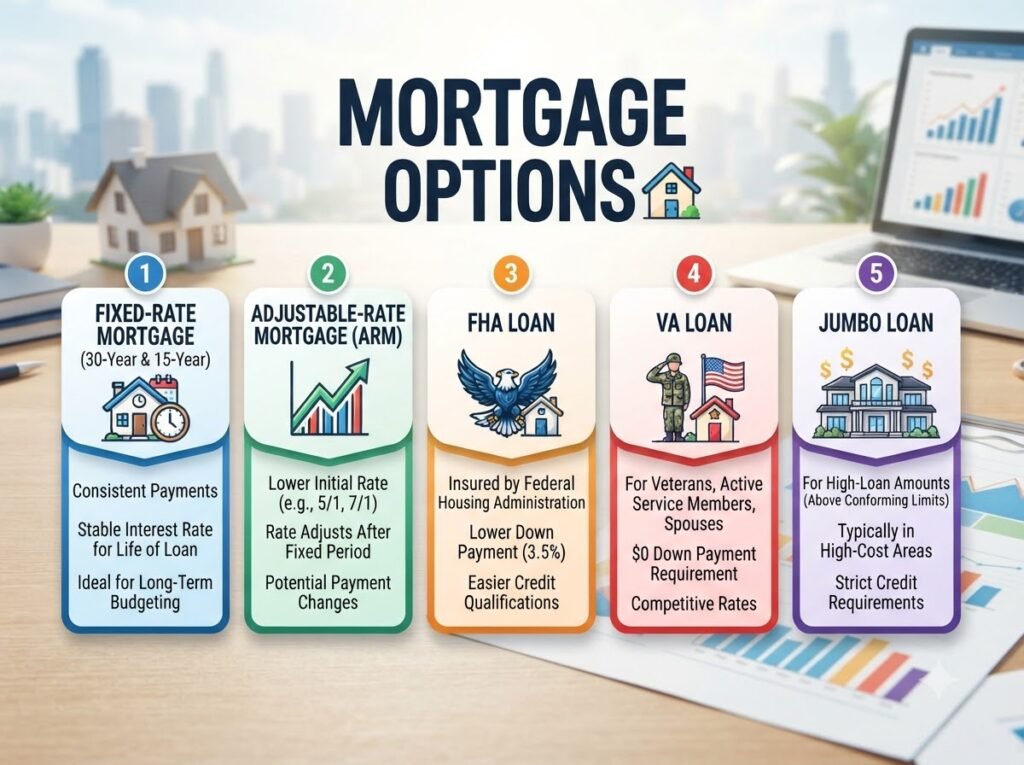
Mortgage rates play a crucial role in the overall cost of home financing. The two primary types of mortgage rates are fixed-rate and adjustable-rate mortgages (ARMs). Fixed-rate mortgages offer stability, typically maintaining the same interest rate throughout the loan’s life, which allows homeowners to budget effectively over time. Conversely, ARMs usually start with lower interest rates that can fluctuate after a specified period, reflecting prevailing market conditions.
The determination of mortgage rates is influenced by several factors, including the broader economic environment and individual borrower profiles. Central banks, such as the Federal Reserve in the United States, impact these rates by adjusting the federal funds rate, which indirectly influences mortgage rates. Additionally, lenders assess borrowers’ credit scores, which serve as a key indicator of creditworthiness. A higher credit score often leads to more favorable mortgage rates because it suggests a lower risk of default.
Current trends indicate a dynamic mortgage rate landscape. Recently, economists have observed variations in rates due to changes in economic indicators like inflation and employment rates. For borrowers, understanding these trends and how they correlate with personal financial health is vital when securing a loan. Those looking to finance a home should not only focus on current rates but also assess potential future adjustments, especially in the case of ARMs. As such, borrowers should stay informed about market shifts and communicate with lenders to ensure they understand the specifics of the rate options available to them.
Exploring Mortgage Terms
When considering a mortgage, understanding the various terms associated with it is crucial. Key factors include loan duration, amortization schedules, and potential prepayment penalties. Each of these elements can significantly influence the overall cost of a mortgage and the borrower’s financial obligations over time.
One of the primary decisions a borrower faces is choosing between different loan durations, typically 15-year or 30-year mortgages. A 15-year mortgage often comes with a lower interest rate compared to a 30-year mortgage. However, while this can result in substantial savings on interest over the life of the loan, the monthly payments are higher. In contrast, a 30-year mortgage offers more manageable monthly payments, making homeownership more affordable in the short term. Yet, over the life of the loan, the total interest paid generally results in a more significant expenditure.
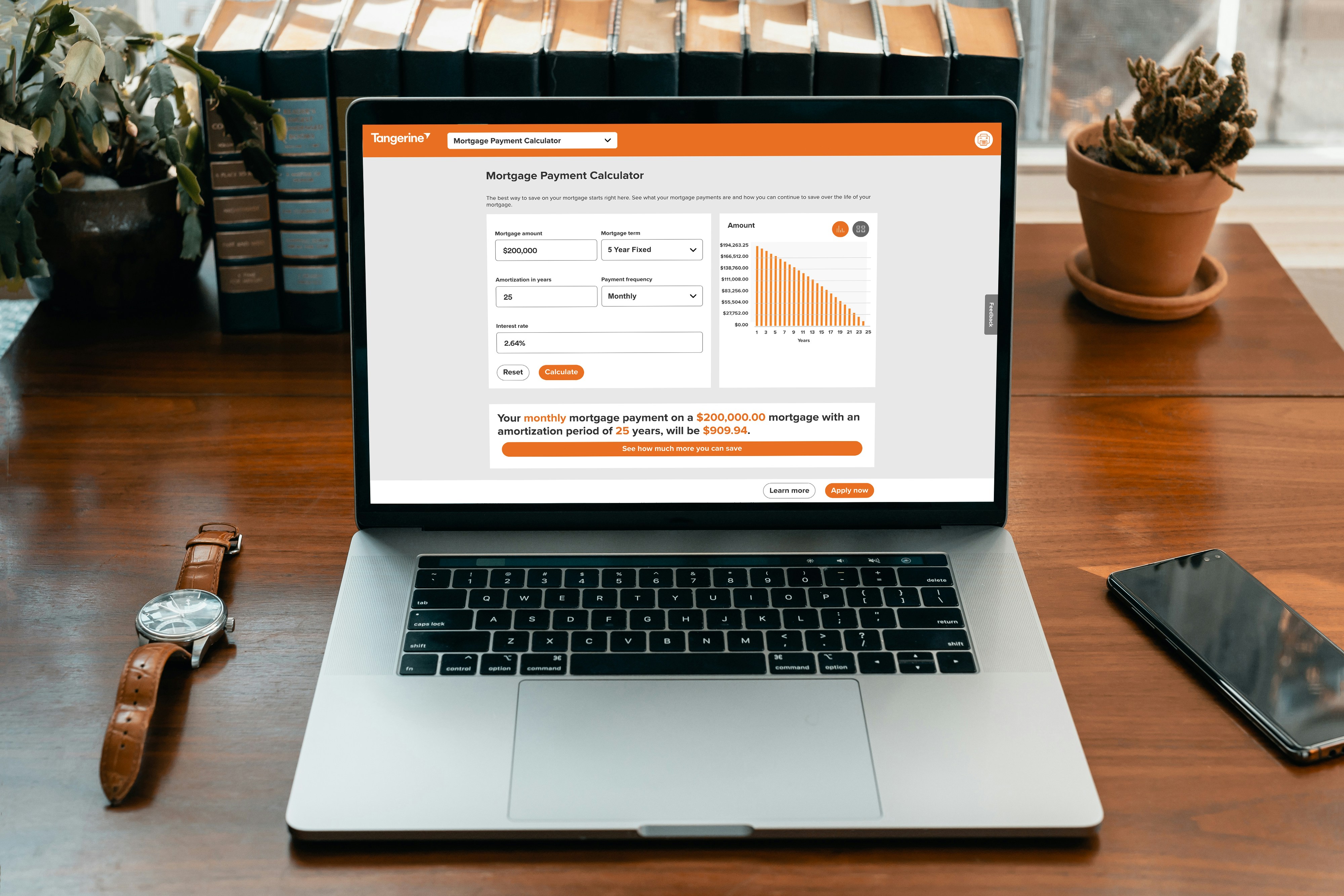
Amortization schedules are another essential aspect of mortgage terms. An amortization schedule outlines each payment over the loan’s life, showing how much of each payment goes toward the principal and how much goes toward interest. Understanding this schedule can aid borrowers in assessing their payment structure, as it reveals how debt decreases over time. For example, in the initial years of a mortgage, a larger portion of each payment is applied to interest rather than principal, especially in longer-term loans.
Additionally, borrowers should be aware of prepayment penalties, which may be included in some mortgage agreements. A prepayment penalty is a fee charged if the borrower pays off the mortgage early. This penalty can deter borrowers who plan to sell their homes or refinance their loans before the end of the term. Therefore, it is essential to thoroughly review the loan agreement and consider how important flexibility is in one’s financial situation.
Ultimately, the right mortgage term will depend on individual financial goals and circumstances. Borrowers should weigh their monthly budget against their long-term financial plans to make an informed decision about the mortgage term that aligns best with their objectives.
Breaking Down Closing Costs
Closing costs are integral to the home buying process, representing the fees and expenses associated with securing a mortgage. These costs, often ranging from 2% to 5% of the loan amount, can significantly impact the overall financial obligation of the buyer. Understanding what closing costs entail is essential for any prospective homeowner.
Typically, closing costs encompass various charges, including lender fees, title insurance, and appraisal fees. Lender fees can include origination charges, underwriting costs, and discount points, all of which vary depending on the lender’s policies and the borrower’s credit profile. Title insurance, another vital component, protects against potential defects in the title that could arise after purchase, thus safeguarding the buyer’s ownership rights. Additionally, an appraisal fee is required to assess the fair market value of the property, ensuring that the lender is not financing more than the property’s worth.
The variability of closing costs is notable, as they can differ based on geographic location, lender practices, and the specific loan product chosen. For instance, buyers in urban areas may confront higher costs compared to those in rural regions due to differences in local regulations and market conditions. It is advisable to thoroughly review the Good Faith Estimate (GFE) or the Loan Estimate provided by lenders, which outlines anticipated closing costs and gives buyers a clearer picture of their financial commitments.
To estimate closing costs more accurately, potential buyers should research and compare multiple lenders, as well as explore programs or offers that may reduce fees. Negotiating certain fees with the lender or asking the seller to cover some closing costs may also alleviate the buyer’s financial burden. Ultimately, being well-informed about closing costs can empower buyers to make strategic decisions throughout their home purchasing journey.
Comparing Mortgage Options: Making an Informed Decision
When navigating the world of mortgages, it is crucial for borrowers to undertake a meticulous comparison of their options. Effective comparison allows potential homeowners to make informed decisions that align with their financial capabilities and long-term goals. One of the most essential tools in this process is the Loan Estimate, which provides a detailed outline of the loan terms including interest rates, monthly payments, and estimated closing costs.
Borrowers should prioritize their evaluation based on the Annual Percentage Rate (APR), which offers a more comprehensive view than the nominal interest rate alone. While the interest rate reflects the cost of borrowing, the APR incorporates additional fees and costs, thus enabling a better assessment of the loan’s total cost over its term. By analyzing both the interest rate and APR, borrowers can gain deeper insights into which mortgage might be more affordable in the long run.
In addition to the interest rate and APR, borrowers should also consider the overall cost of the loan over its lifespan. This involves scrutinizing the total interest paid and the monthly payment obligations. It is important to evaluate which mortgage fits within one’s budget, as monthly payments can significantly impact overall financial health. Furthermore, understanding one’s personal financial landscape can assist in identifying if a fixed or adjustable-rate mortgage is more suitable.
Before concluding the selection process, potential borrowers should take practical steps such as utilizing mortgage calculators, seeking expert advice from financial advisors, and comparing individual lender offerings. This comprehensive approach ensures that borrowers are not simply enticed by low interest rates but are making informed choices based on the entire loan package. By considering all variables, borrowers will be better positioned to select a mortgage that best suits their unique financial situation and long-term objectives.